





Pride in Place Manchester
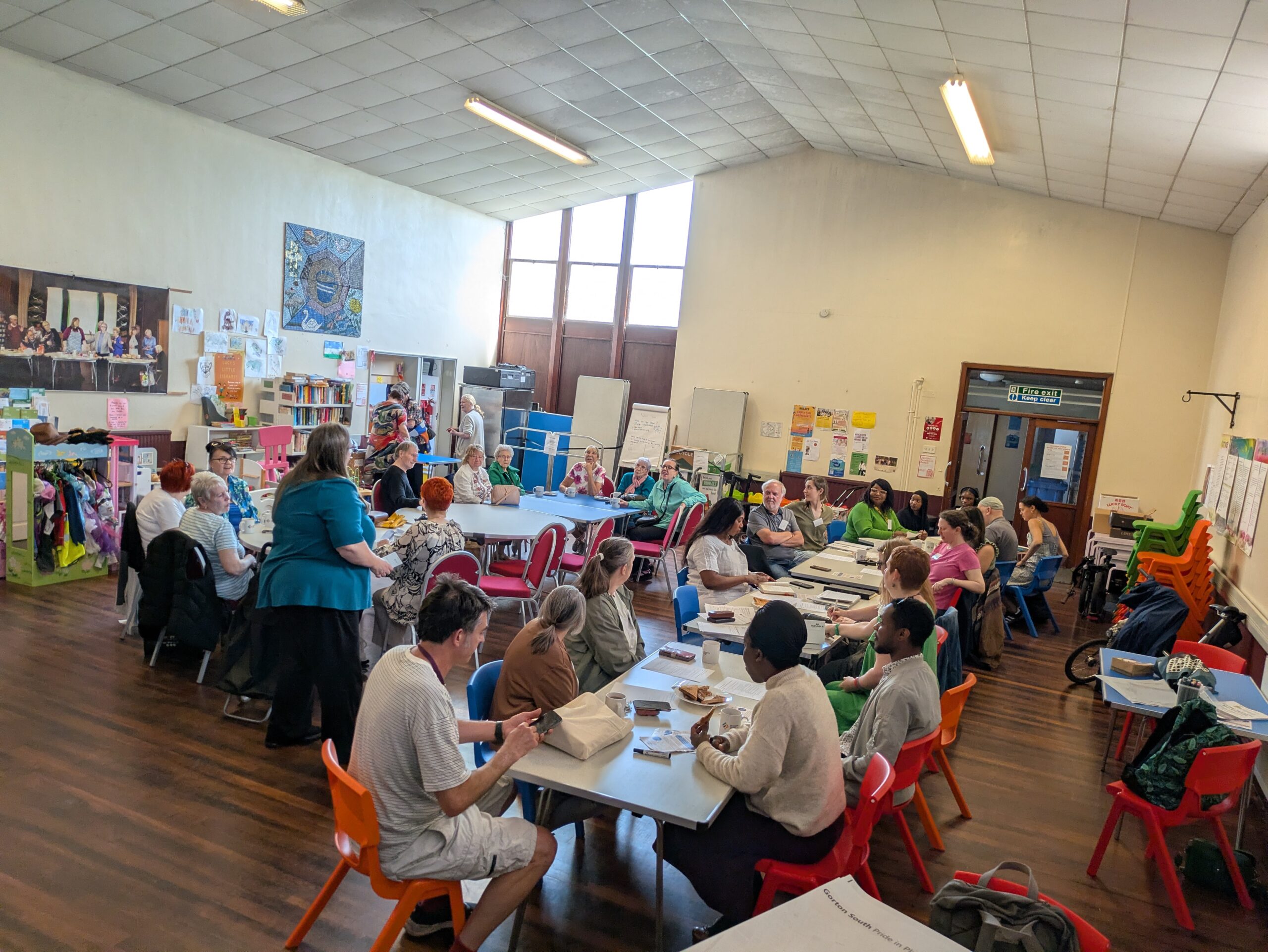
Pride in Place
The Government’s Pride in Place programme will see up to £5 billion given to nearly 250 areas across the UK. Each area will receive up to £20 million of funding and capacity building support over the next 10 years, to make long-term improvements that residents want. The money is being managed through new structures called Pride in Place ‘Neighbourhood Boards’ which will become incorporated organisations over time.
This national programme is intended to be a break away from traditional top-down approaches to neighbourhood regeneration where council officers and elected councillors make decisions and plans and then ‘consult’ residents about what will happen. Often people feel this leads to decisions having already been made and tokenistic consultation that doesn’t give residents any real power in deciding how resources are used and what the priorities are.
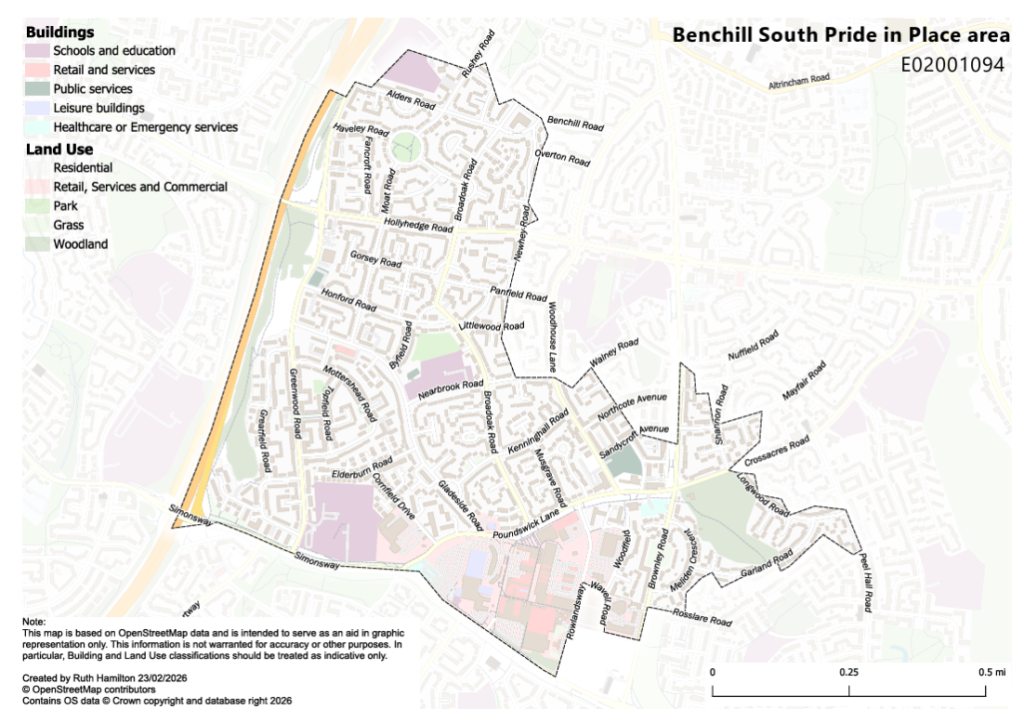
Manchester has five Pride in Place areas, which have been identified by the Ministry of Housing Communities and Local Government. (They are based on “Middle Super Output Areas” (MSOA), an administrative unit for statistical purposes which unfortunately often doesn’t reflect a locally recognised neighbourhood area). Here we link to maps of the Manchester areas, which are:
- Benchill South and Wythenshawe Central
- Clayton Vale
- Harpurhey South and Monsall
- Gorton South
- Moss Side West
Note that some Pride in Place boards are deciding to change their area boundaries, but these were the original MSOA areas at the start of the programme.
Manchester Pride in Place Network
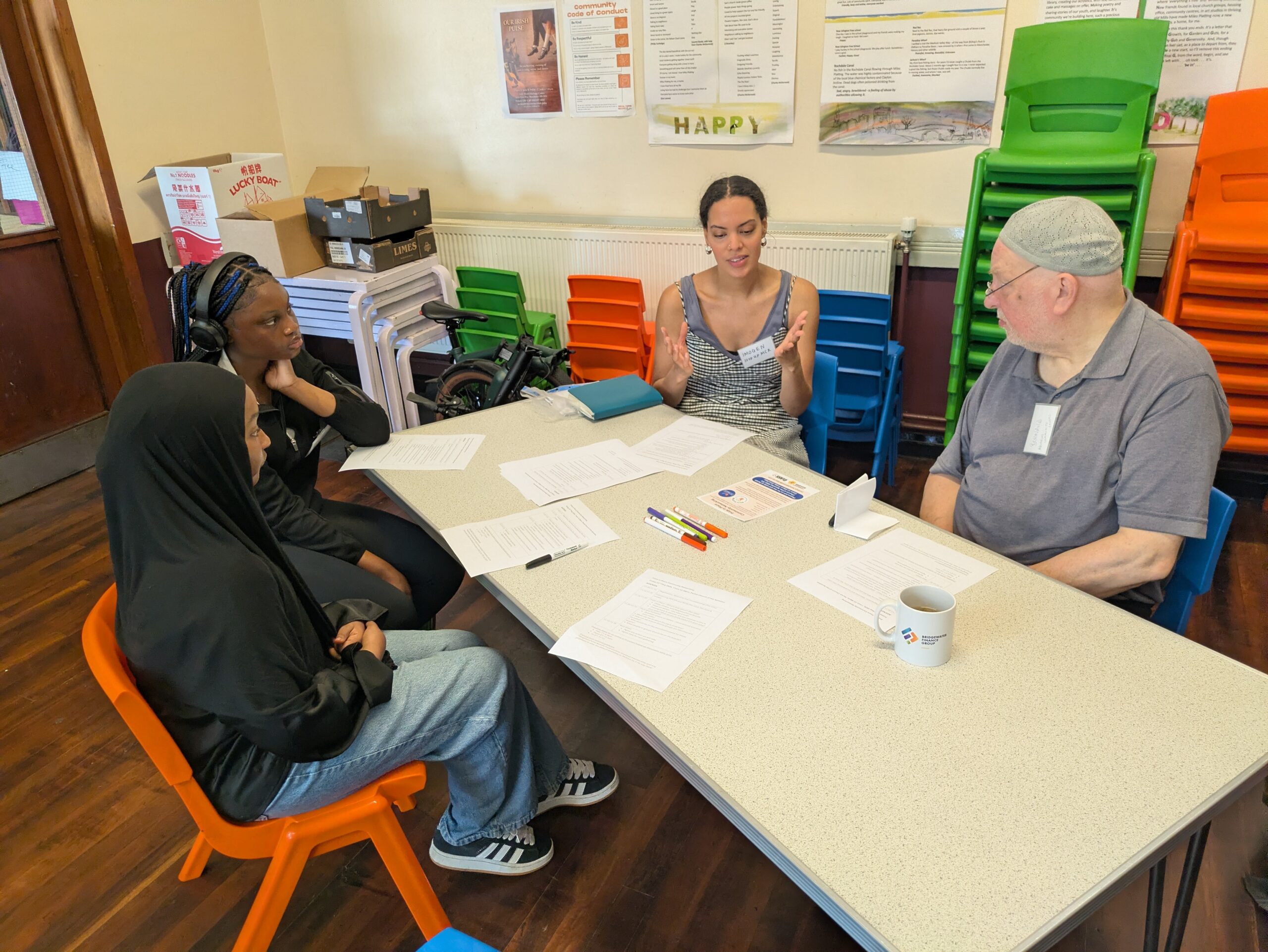
Recently, community and faith groups from across these areas have created an informal ‘Manchester Pride in Place Network’ to enable them to share ideas and learning and reflect collectively on how the programme is unfolding. If you would like to be part of this network, please sign up here.
WCN Pride in Place Consultation
Community Savers leaders in Wythenshawe through Wythenshawe Central Network were recently commissioned by Manchester City Council to carry out a consultation with a broad and diverse network of faith and community organisations about how they would like to see Pride in Place organised; their hopes and fears for the programme; and top local priorities for capital and revenue investments in the Benchill South and Wythenshawe Central area.
You can download some highlights from our approach and report here.
Participatory tools
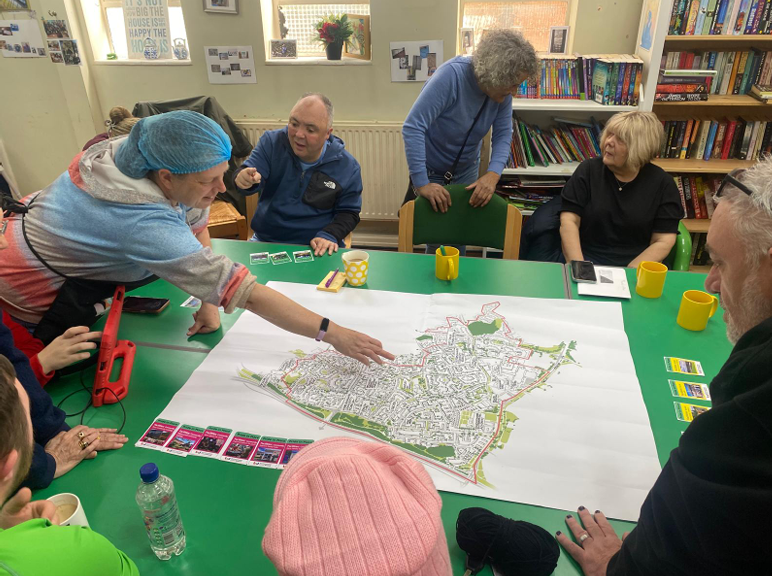
We created a range of participatory tools and activities to enable diverse groups to participate. These included:
- A set of Pride in Place playing cards that small groups could use as a discussion aid to think about all the different kinds of facilities that neighbourhoods might need or that might be missing or need investment
- Giant maps of the area with all the local faith and community buildings and facilities marked on them enabling participants to write, draw and stick notes onto different parts of the map during participatory workshops with diverse local groups across a range of community locations
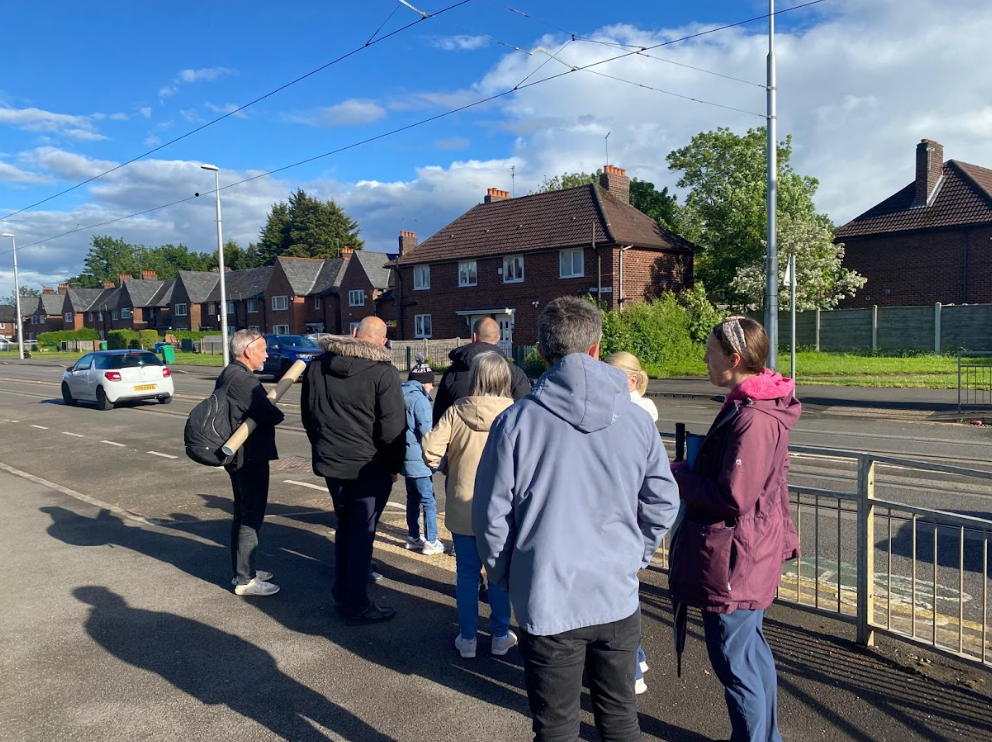
- A photo-mapping neighbourhood walkabout from the Northernmost down to the Southernmost point of the Pride in Place area. Residents took photos of the features they love or are concerned about in the area, including bus stops, different kinds of homes, run down community buildings and local green spaces. Then we displayed all the images on a slide show at St Andrews Methodist church and had a big group discussion about what we could learn from them
- A resident-designed survey completed one-to-one by WCN committee members with local residents across a variety of key community settings
Key findings
Below we share some of Wythenshawe Central Network’s key findings:
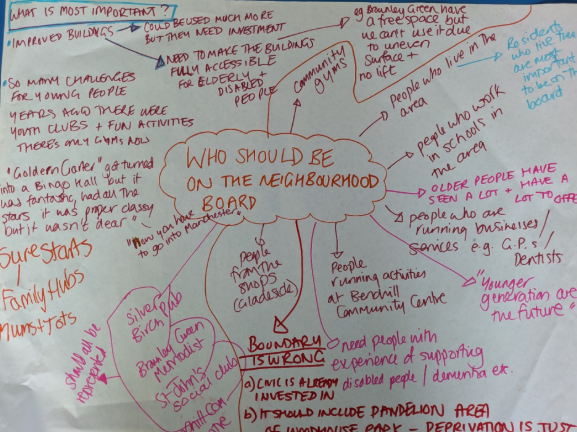
Priorities for the process
- Local residents should take up the majority (80%) of seats on the Neighbourhood Board and it should reflect a diverse range of groups including young people and people with disabilities
- There should be regular public meetings for information-sharing, consultation & transparency
- The Neighbourhood Board should listen to and properly consult local residents to ensure the funding is well-invested and reflects what is needed by the community
Priorities for community buildings
- Community buildings & walkways to be fully accessible for a full diversity of disabled adults, young people & children
- Buildings, activities and spaces that are open during the evening & at weekends allowing local residents to be together and socialise without cost
- Protected & indoor play spaces for children amidst high levels of antisocial behaviour in open spaces
Priorities for investment
- Investment and renovation in community-run buildings such as St John’s Social Club & Brownley Green Methodist Church
- More youth clubs & activities for young people of all ages without costs associated
- A wide range of affordable cafes, restaurants & shops within the Benchill area
- Better transport links, more benches, bins & public toilets
If you are a local resident based in Wythenshawe and would like to become involved in the work of WCN, please contact wythenshawecentral@gmail.com.
Follow the Community Savers Facebook page for further updates!
More Stories
Learning from East Marsh
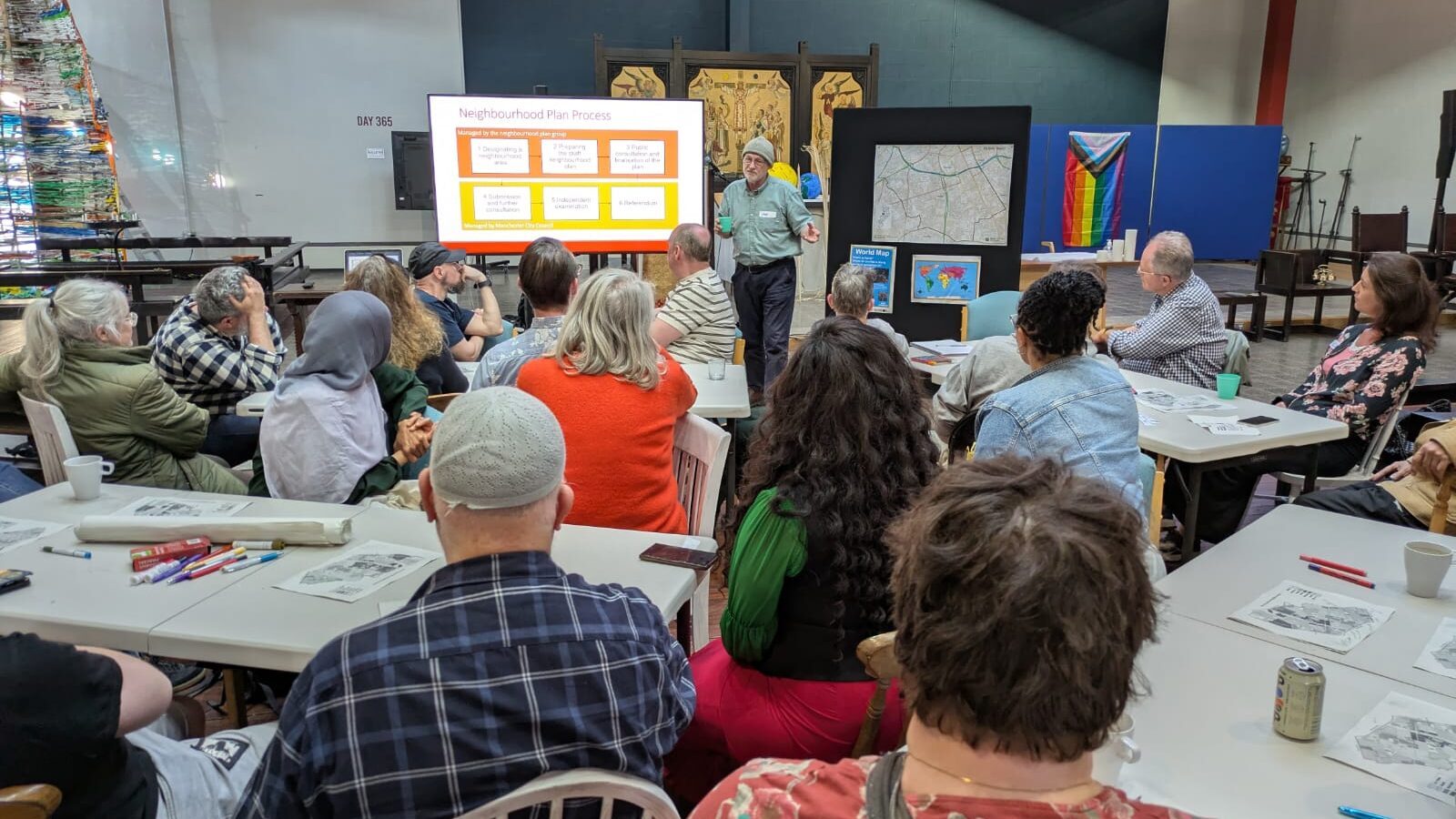
Neighbourhood Planning in Hulme

New impact evaluation now available!
Making Waves in Wythenshawe

It’s been a busy few months for the Wythenshawe Central Network!
October
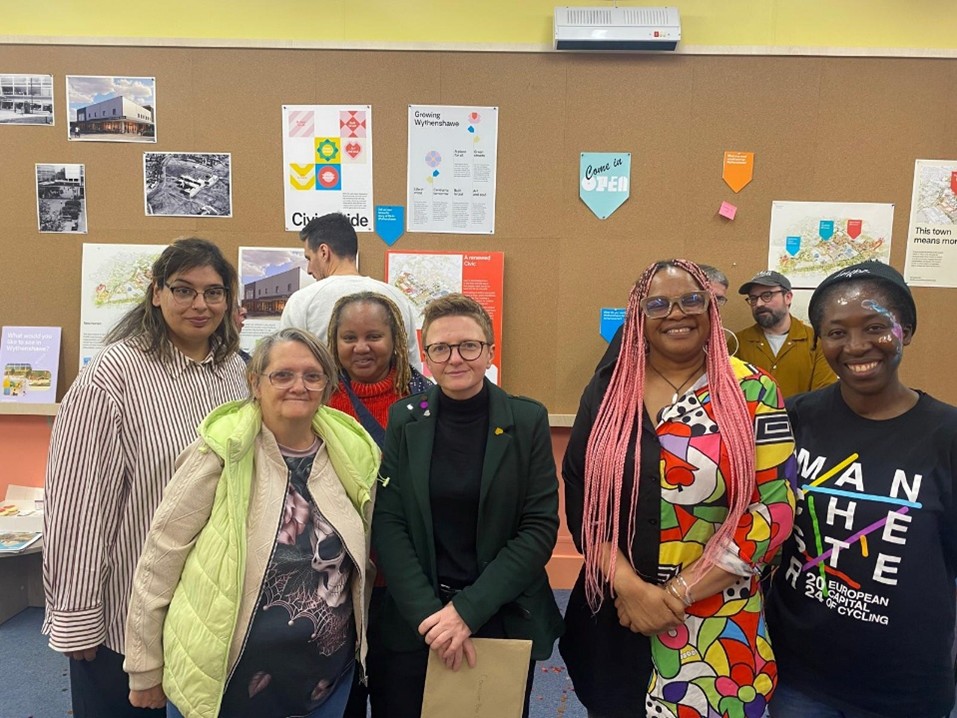
Leaders from Wythenshawe Central Network (WCN) attended an event at the Open Space in Wythenshawe Civic held by Manchester City Council and MUSE. They met Leader of the Council Bev Craig and spoke to her about the network’s three main asks for the Civic Regeneration:
- Increasing the number of social rent homes to be included in the redevelopment
- Working with the community to explore shared governance options for the Culture Hub
- Calling for more transparency, accountability and meaningful community partnership in the Wythenshawe Town Centre regeneration process
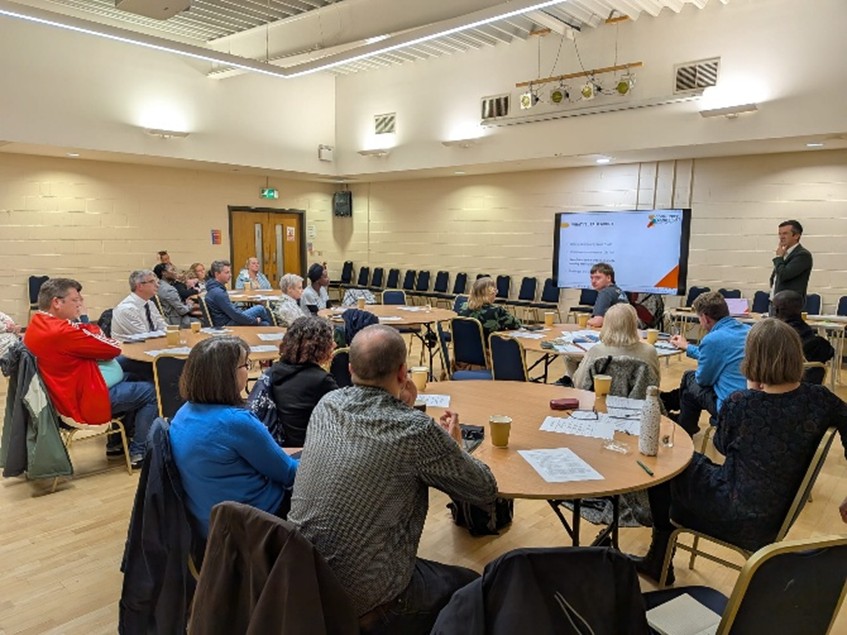
WCN also hosted a workshop bringing together councillors, community / faith groups and representatives from Wythenshawe Community Housing Groups to learn about different governance models as a possibility for the new ‘Culture Hub’ in Civic. We heard from Tom Chance, CEO of the Community Land Trust Network, about examples of successful community-led housing schemes across the country. This opened up useful conversations about whether such options could be explored for Wythenshawe. In case you missed it, presentation slides from this workshop are available for viewing here: https://www.wythenshawecentral.org.uk/wcn-voices-and-presentations/
November
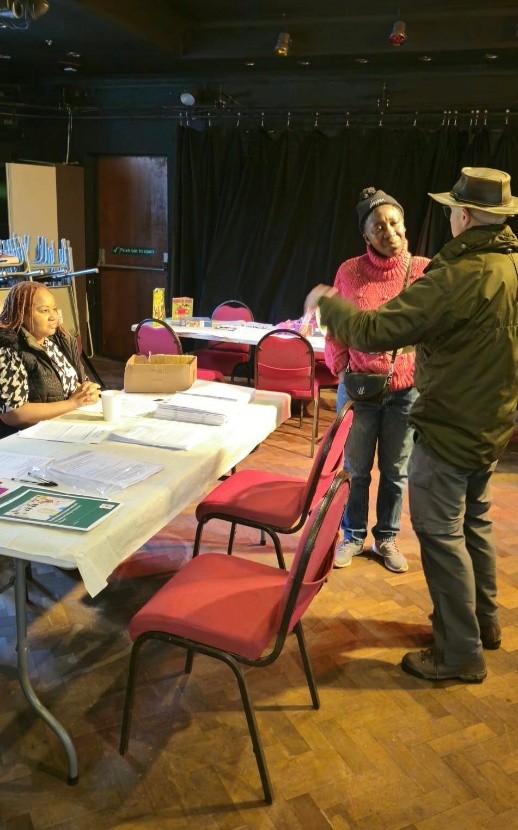
By hosting stalls and community events, including a ‘Meet, Munch and Mingle’ at Brownley Green Methodist Church Hall, WCN leaders have been increasing their membership through regular engagement with local residents. Asking critical questions such as “Will new leisure and retail facilities be affordable for the existing community?”, WCN have held spaces for important conversations about local developments. From building new connections and relationships, notably over some delicious food made by Joy from Know Africa, the network now has over 20 organisations and 100 individual residents among its’ membership.
January
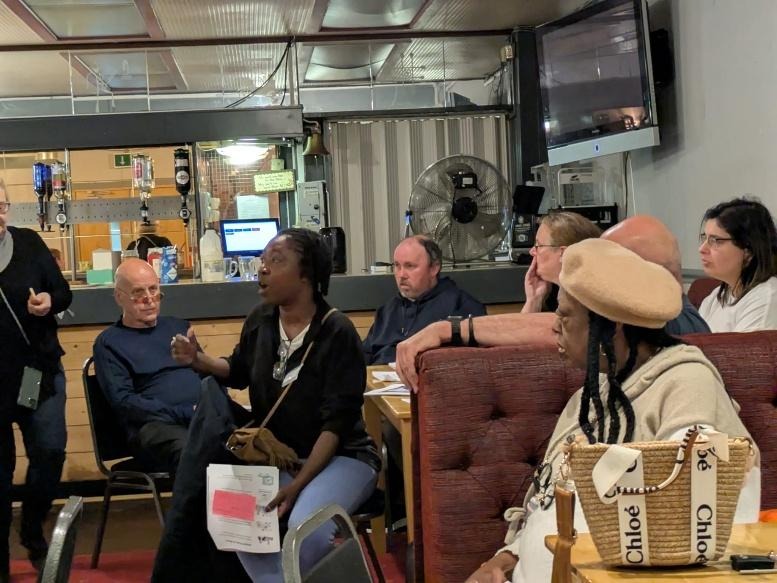
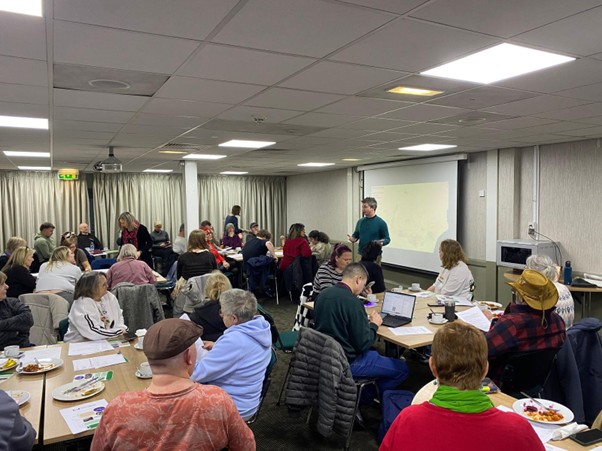
The network held another open meeting which brought together members, local residents and representatives from a range of community groups and local organisations to learn more about the new “Pride in Place” funding.
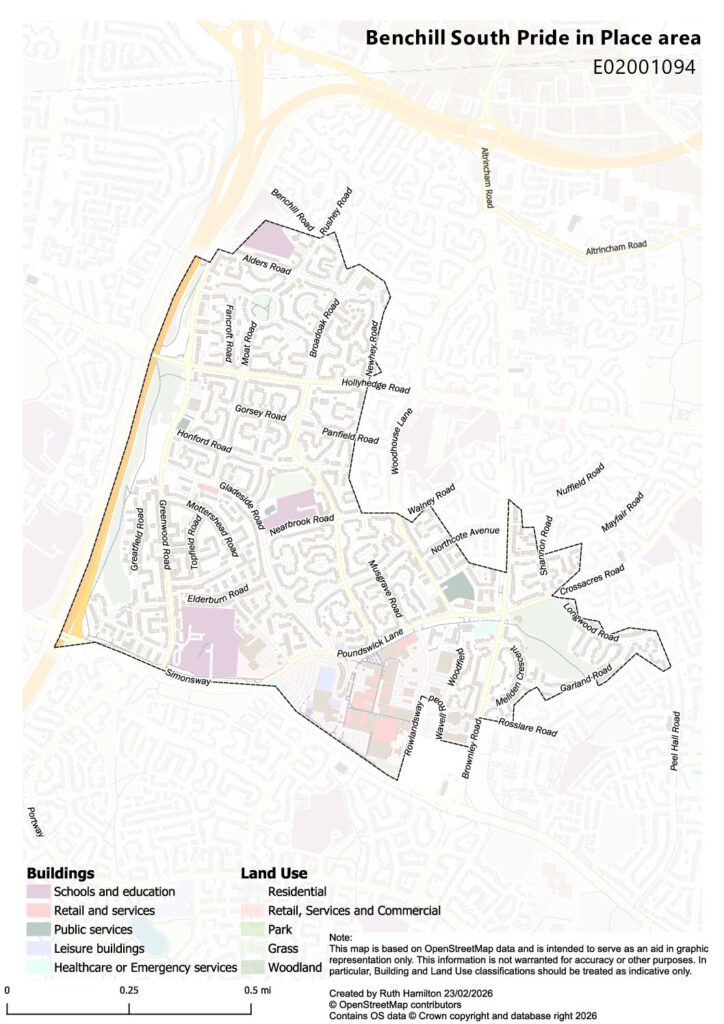
This new initiative announced by the Ministry of Housing, Communities and Local Government will award £20 million of funding over the next 10 years to Benchill South and Wythenshawe Central (see map below) alongside other areas across the UK, including Gorton South and Clayton Vale in Manchester. The funding will be managed by a neighbourhood board and aims to give power directly to local people to reshape their communities.
Meeting attendees were invited to share their hopes & fears about the initiative through open group discussions. We spoke about the importance of ensuring local voices are involved in decision-making so they can have a genuine influence throughout the process. Gavin Evans, Neighbourhood Manager from Manchester City Council presented on the most recent guidelines for the funding and to answer questions from local residents. WCN are hoping to receive funding to carry out further consultations and engagement to gather local priorities about how the Pride in Place funding process should be managed.
Coming up…
WCN is excited to be hosting a joint event on Tuesday 17th March with Social Homes for Manchester and We’re Right Here as part of the GM Live Well festival (9th-23rd March), called “Community Powered Neighbourhoods”.
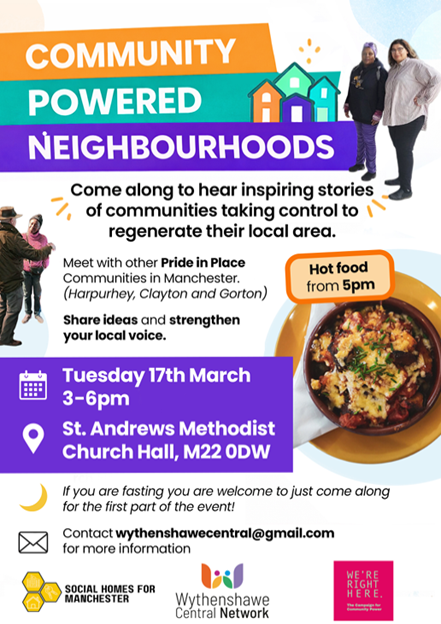
The event is focused on inspiring examples of community- powered neighbourhood governance, bringing groups across Greater Manchester together to share stories and exchange learning. Representatives from Community Covenants, Neighbourhood Plans and Community Land Trusts will present and there will be time for networking around project stalls showcasing exciting projects and campaigns. Residents from the different Pride in Place areas will be able to network in the ‘Pride in Place’ corner as well as ask questions to City Council representatives. We will also hear about key reforms that coalitions of communities and national groups are campaigning for to create more power for communities.
Lots of exciting developments happening in Wythenshawe and WCN are looking forward to supporting community-led projects as they unfold!
Follow WCN on Facebook: https://www.facebook.com/wythenshawecentralnetwork/
See WCN’s website: https://www.wythenshawecentral.org.uk/
More Stories
Learning from East Marsh
Pride in Place Manchester
Neighbourhood Planning in Hulme
Community-led placemaking in Collyhurst & Miles Platting
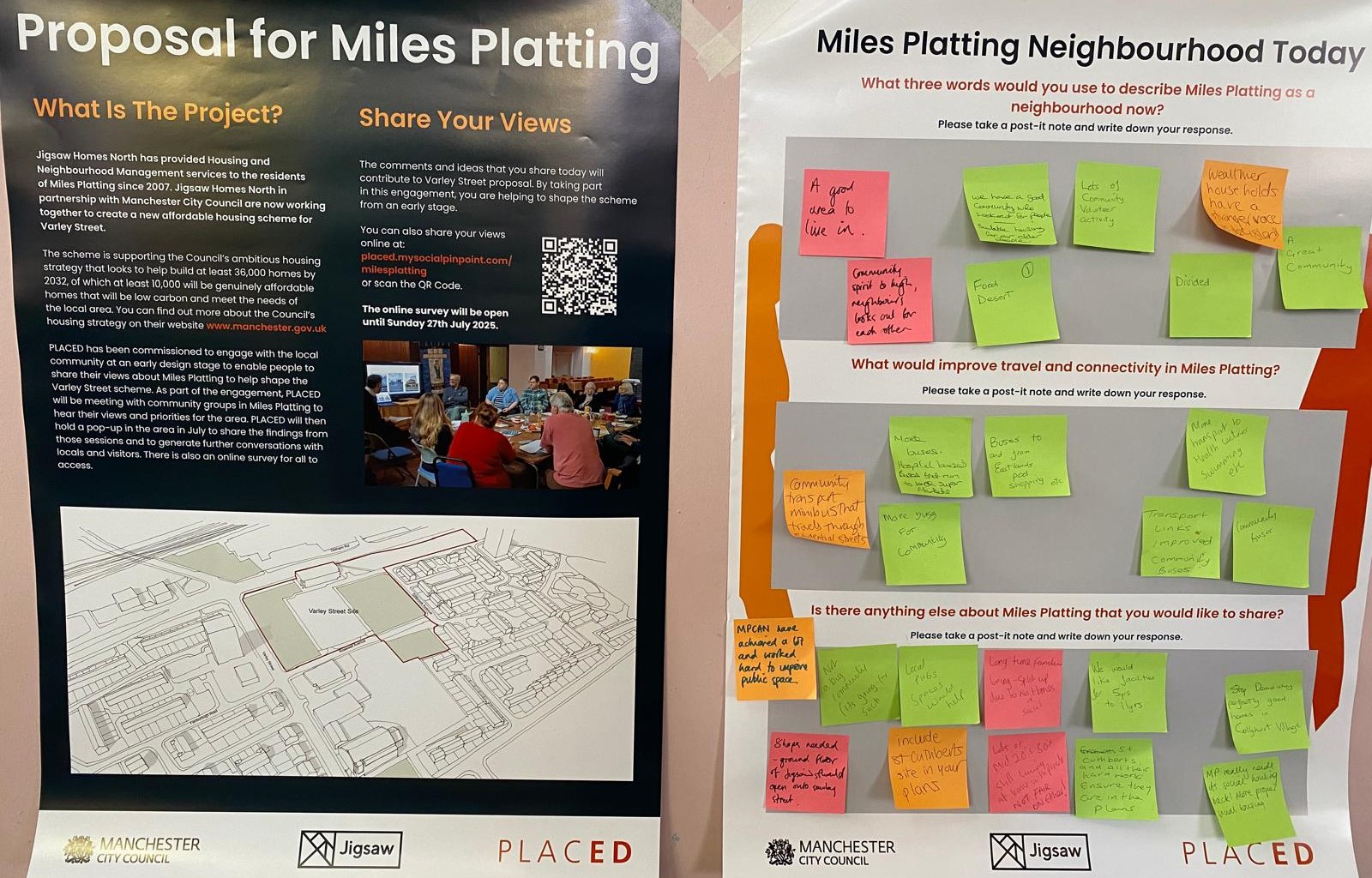
Miles Platting Community and Age-Friendly Network have been busy!
St Cuthbert’s Communities Together
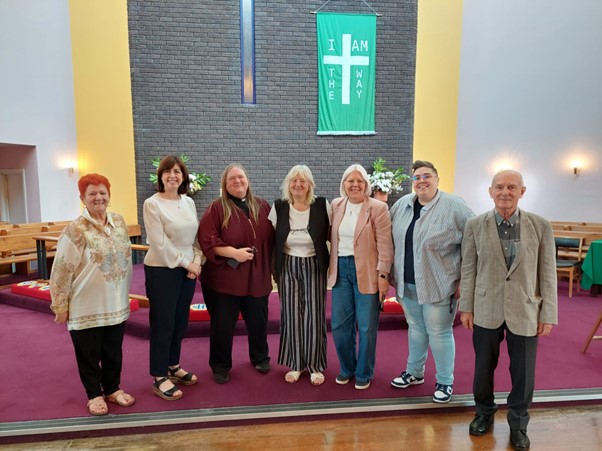
In partnership with the Parochial Church Council, the St Cuthbert’s Action Group successfully set up a new Charitable Incorporated Organisation called St Cuthbert’s Communities Together, which is taking forward the community-led redevelopment of the St Cuthbert’s church. The Board of Trustees are working with architects and applying for further funding to begin working on feasibility studies to take the project forward. Members are hoping that this will provide much-needed facilities including a place of worship, a social hub and bar, a laundrette, health services and housing provision. Plans are underway and this development is shaping up to be an exciting space which will benefit the local community and beyond…
Miles Platting Climate Action
Following their success in creating a Miles Platting Wildlife Corridor through Greater Manchester Green Spaces funding, the Climate Action Group have enjoyed seeing the benefits of interventions across key local green spaces. New trees, hedging, wildlife, flowers & plants have been thriving during the summer and attracting a wide range of biodiversity. Local residents have enjoyed attending local gardening events and look forward to a community orcharding workshop at Chippenham Gardens this Friday 22nd August.
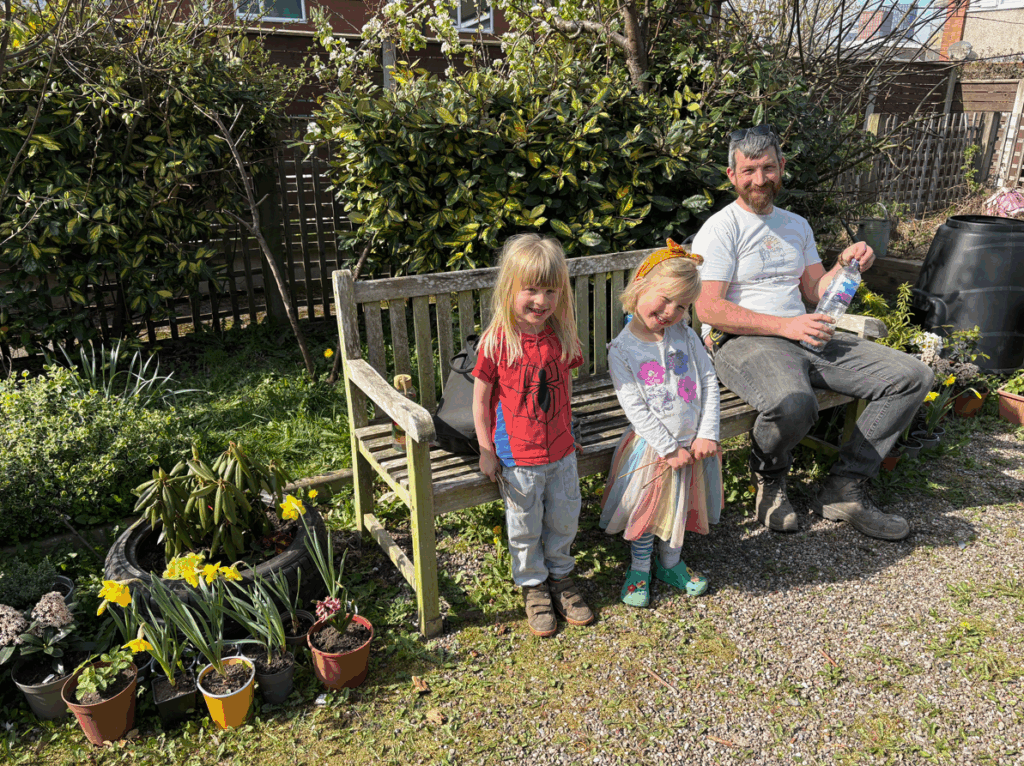
With continued support from Dr Jenna Ashton from University of Manchester and Creative Climate Resilience, the Climate Action Group are looking to fund further improvements, protection, and local engagement across Miles Platting’s green spaces.
Social Homes for Miles Platting
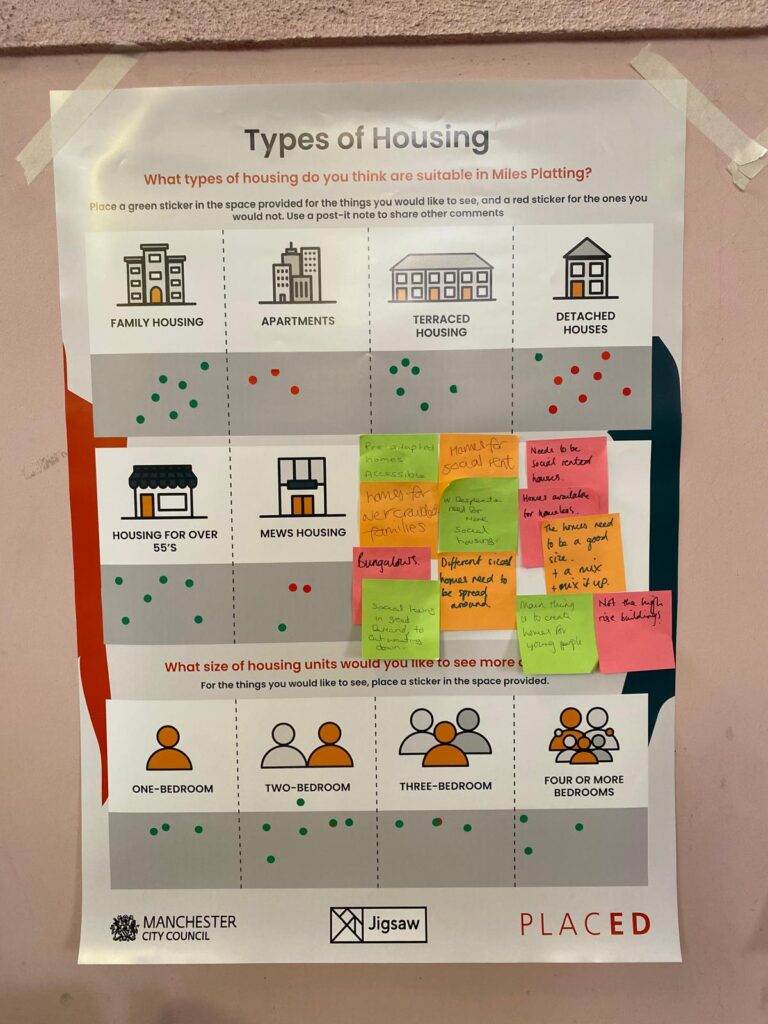
The Social Homes for Miles Platting campaign has been making headway as MPCAN members have been meeting with their local councillors and MP to advocate for increased numbers of social homes. MPCAN’s Anuual General Meeting in July also included a consultation led by PLACED, the community engagement team on upcoming local developments in partnership with Jigsaw Homes.
The wider Social Homes for Manchester campaign saw a big step forward as Manchester City Council (MCC) passed a motion to increase social and affordable housing targets in the city. Where the 2012 policy said that only 5% of new housing developments of 15 homes or more had to be social or affordable, they have now voted for a new target, under which 21% of new housing developments of 10 homes or above must be social rent.
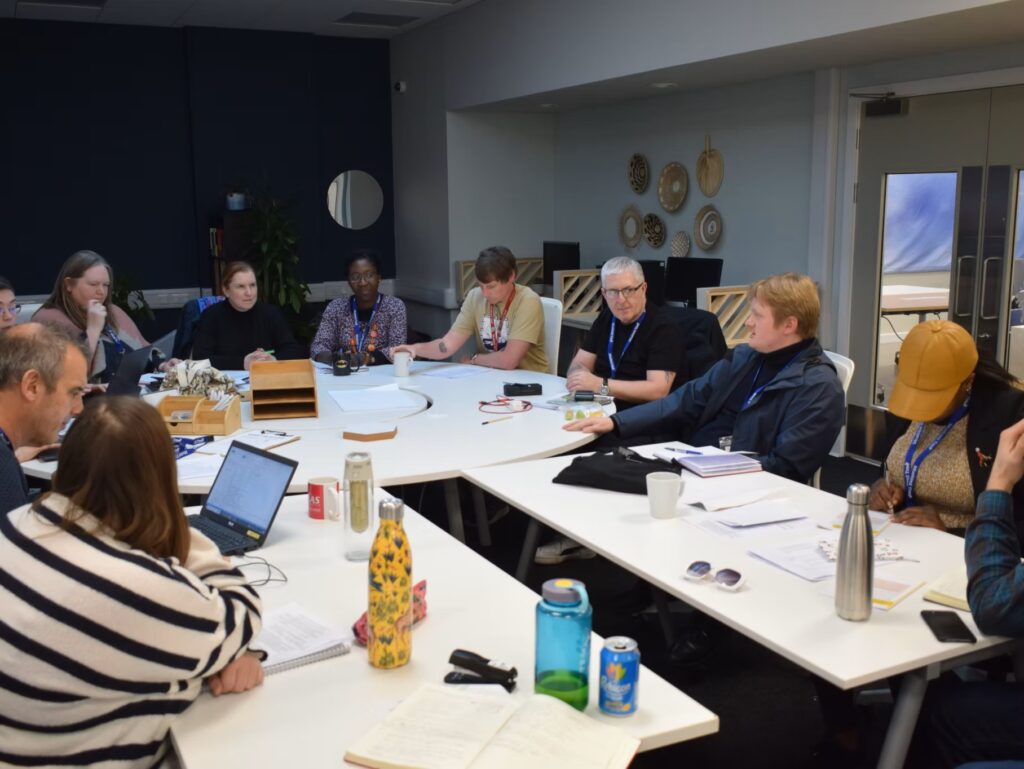
These new targets were a key focus for the Manchester Social Housing Commission, which has MPCAN represented by members Sue Anya and Sheila Davies. The announcement represents a huge success on part of the hardwork and advocacy of community commissioners from Miles Platting, Hulme and Moss Side.
MPCAN age-friendly and action groups are going from strength to strength and their commitment to the community continues to benefit local residents in Miles Platting and Manchester more widely.
If you wish to get involved, please email milesplattingcommunitynetwork@gmail.com
Follow MPCAN on Facebook for regular updates: https://www.facebook.com/milesplattingcommunityandagefriendlynetwork/
More Stories
Learning from East Marsh
Pride in Place Manchester